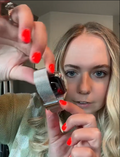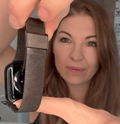


Apple Watch band clasp types are the small mechanisms that hold a strap shut, and most of us never think about them until one lets go. A clasp is just the part that closes the loop around your wrist. It might be a pin through a punched hole, a magnet that snaps into place, or a folding blade that clicks flat. The right one disappears and you forget the watch is on you. The wrong one has you fiddling with it all day, and checking it's still there.
Closure choice decides how secure the watch feels, how comfortable it is, and how fast it goes on and off. It can also affect sensor performance, because Apple Watch needs consistent skin contact to read accurately. Most straps sold today use one of a handful of designs: buckles, magnetic closures, pin and tuck systems, folding clasps, and hook and loop fasteners. Here's how each works, and where each one annoys people.
Key Takeaways
- Most resistant to accidental release? Pin and tuck and a well made tang buckle. Both fasten mechanically, not on magnetic grip alone.
- Fastest to put on? Magnetic. Nothing to line up, nothing to fold.
- Does the closure change the fit? Yes. Continuously adjustable closures let you fine tune tightness all day.
- Can you mix closure types? Yes, provided the strap suits your case size group.
- Least convenient for the gym? Folding metal clasps. They add weight and press against equipment.

What Are the Main Apple Watch Band Closure Types?
Four clasp families cover most straps: buckle, magnetic, pin and tuck, and deployment or folding. Hook and loop counts as a fifth, though it is a fastening system, not a clasp.
Apple uses most of them, which makes the terms easier to picture. The Sport Band has what Apple calls a pin and tuck closure: a stud passes through a hole, the tail slides under the strap. A magnet holds the Milanese Loop shut, and it grips anywhere along the steel mesh. The Link Bracelet uses a butterfly closure that folds flat and clicks shut. The Sport Loop has no clasp at all.
|
Closure type |
How it locks |
Adjustability |
Best for |
Watch out for |
|---|---|---|---|---|
|
Tang buckle |
Pin through a punched hole |
Fixed holes, usually 6 to 10 |
Office and classic looks |
Creasing at the pin hole |
|
Magnetic |
Magnets grip along the strap |
Continuous or variable |
Fast on and off, swelling wrists |
Hard sideways knocks |
|
Pin and tuck |
Stud through a hole, tail tucked under |
Fixed holes |
Workouts, water, all day wear |
Stiff feel when new |
|
Deployment or butterfly |
Folding blades that click flat |
Set once by link removal |
Metal straps, dress wear |
Usually requires both hands |
|
Hook and loop |
Fabric hooks grip fabric loops |
Continuous |
Running, quick tightening |
Grip fades as loops wear |
Short on time?
|
If you want |
Choose |
|---|---|
|
A secure everyday fit |
Pin and tuck |
|
The fastest adjustment |
Magnetic |
|
A traditional watch look |
Tang buckle |
|
A metal or dress look |
Butterfly or deployment |
|
Running and quick tightening |
Hook and loop |
How Does a Buckle Clasp Work on a Watch Strap?
A tang buckle works like a belt. A metal pin drops through one of several punched holes, and a keeper loop holds the tail down.
It's the oldest closure in watchmaking and still the easiest to explain. Apple's discontinued Classic Buckle used it, and it's still standard on leather straps. What you give up is fine adjustment. If hole four is tight and hole five is loose, you pick your poison. Leather also creases around the hole you use most, so after a year you can see which setting you've been wearing.

Are Magnetic Closures Secure Enough for Daily Wear?
For normal daily wear, yes. Magnetic closures hold fine for office work and light training. What opens them is a sideways tug.
Many magnetic straps have permanent magnets set into the strap or the closure, so they fasten anywhere along their length rather than at fixed points. That gives continuous adjustment, useful if your wrist swells. Apple redesigned the Milanese Loop in 2018 so the closure slides through the lug and the strap opens fully. Magnet strength varies a lot between makers, and weak magnets are usually why people say magnetic straps slip. One detail buyers miss: unlike the standard Milanese Loop, Apple's Titanium Milanese Loop uses a mechanical clasp, not a magnetic one. Apple's guidance is to lift the clamp, slide the buckle, then press it down.
What Is a Pin and Tuck Closure?
Pin and tuck is a closure where a molded stud pushes through a hole in a flexible strap, then the tail tucks under the band instead of sitting on top. It's the design on Apple's Sport Band.
The appeal is mechanical simplicity. There's no hinge and no magnet in the fastening point, so very little can go wrong, and the tucked tail sits flush instead of snagging on cuffs or gym equipment. Adjustment is where it falls down. Fixed holes give no fine tuning, so if you sit between two holes you'll prefer magnetic. New sport straps also feel stiff at first.
How Do Deployment and Butterfly Clasps Compare?
A deployment clasp uses one folding blade, often with push buttons. A butterfly clasp uses two arms that fold inward and interlock. Butterfly clasps sit flatter, while deployment clasps usually open more easily with one hand.
Both turn up on metal straps, and Apple's Link Bracelet is the best known butterfly. Apple's own band instructions are specific: fold the closure in one side at a time until you feel and hear a click, then press a quick release button to separate the links. A folding clasp spreads pressure evenly across the wrist, which is why they're comfortable. They're also fiddly, and most people need both hands.

Which Closure Is Best for Workouts and Water?
Pin and tuck is the safest all round pick for training and swimming, with hook and loop straps close behind. Both stay functional when wet, though fabric straps hold water and dry slower than silicone.
Silicone straps rinse clean under running water, shifting sweat and residue. That matters more than people expect, because trapped sweat is what makes a strap smell. If yours already has, our guide on why your watch strap smells covers the fix. Magnetic closures are fine for lifting and cycling. Folding metal clasps aren't unsafe, but they add weight, and some can release if the push buttons get struck, which comes down to how well they're made.
Which Closure Suits Office or Formal Wear?
Tang buckles and folding metal clasps look the most traditional under a shirt cuff. A buckle reads as a classic watch strap, and a butterfly clasp gives a clean metal circle with no visible tail.
A sport strap looks like a smartwatch strap, while a buckled leather strap just reads as a watch. You pay for that in comfort, because metal weighs more, and a badly sized folding clasp can't be adjusted without removing links. If you're buying watch bands in the USA and only want one dress option in the rotation, magnetic mesh is the safer buy. Our breakdown of Apple Watch lug widths covers which sizes interchange.
How Do You Choose the Right Closure for Your Wrist?
Match the closure to how your wrist behaves first, style second. It comes down to four things.
- Wrist swelling. If your wrist changes size through the day, pick a continuously adjustable closure.
- Activity level. Gym work, water, and knocks point to pin and tuck. Desk work suits anything.
- Skin sensitivity. Hair pulling is a common complaint with mesh and folding clasps.
- Speed. Magnetic wins, which matters if the watch comes off several times a day.
Active wearers do best on a sport strap, office wearers on a buckle or mesh.
What Are the Most Common Clasp Problems?
Common closure problems include debris buildup, damaged pins, worn fabric, and sticking folding mechanisms. Here's what to do about each.
- Magnets losing grip. Usually dirt, lotion, or lint on the contact face. Wipe both faces with a damp cloth and dry fully.
- Bent pins. These come from forcing the stud in at an angle. Once a pin deforms it won't hold, and the strap needs replacing.
- Sticking folding clasps. Rinse gently and dry with the clasp open. Never soak metal in salt water, and skip solvents.
- Fabric losing grip. Hook and loop pads wear out. Clearing lint helps briefly, but a stretched strap is a replacement.
Most straps aren't designed to be user serviced, so replacing beats repairing. We back ours with a 100 day guarantee.
Frequently Asked Questions
Which watch band closure is the most secure for daily wear?
Pin and tuck and well made tang buckle closures resist accidental release best, because both fasten at a mechanical point rather than relying on magnetic grip. Real security still depends on fit, materials, and build quality. A cheap buckle can fail where a well made magnetic strap holds.
Can I mix and match straps with different closure types?
Most straps use Apple's slide in attachment system, so you can move freely between pin and tuck, magnetic, buckle, and folding designs as long as the strap suits your case size group. Apple also notes that 44mm, 45mm, and 46mm bands fit Apple Watch Ultra, but recommends those for casual everyday wear rather than rugged activity.
Final Thoughts
Apple Watch band clasp types come down to speed versus security, and there's no single winner. Pin and tuck is simple and survives water. Magnetic is fastest and kindest to wrists that change size. Buckles and folding clasps look the most like a real watch. So don't pick one. Own two or three and swap to suit the day. If you're starting from scratch, get a pin and tuck sport strap, then add a magnetic or buckle strap for days you want the watch dressed up rather than kitted out.